Understanding Tapu & Mana: A Visitor’s Guide to Māori Protocol
Published by the JourneyAotearoa Cultural Advisory Group
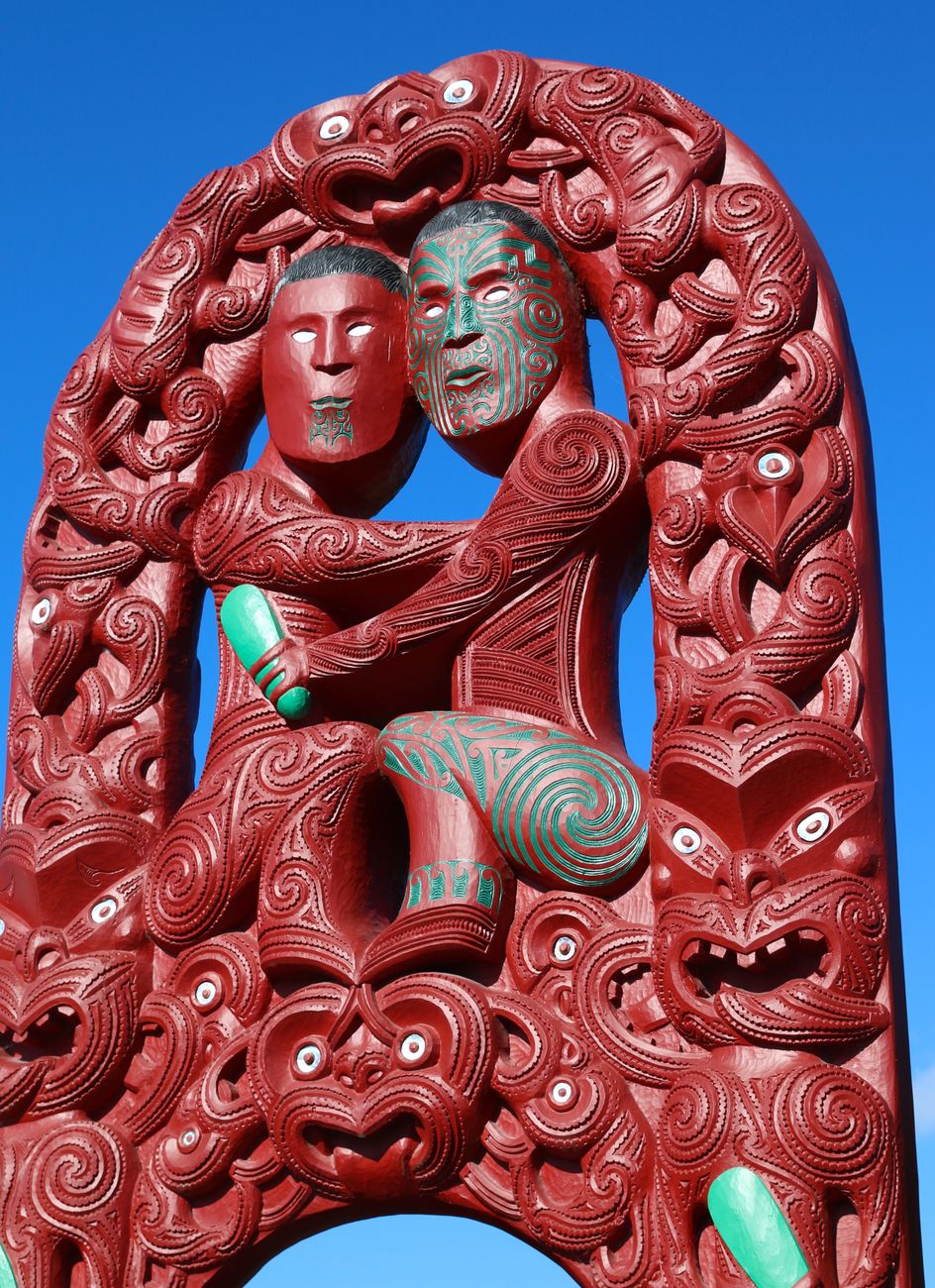
“To explore New Zealand without understanding te ao Māori (the Māori world view) is to view a masterpiece in monochrome. Landscapes here are not mere geology; they are ancestors with legal personhood.”
The Concepts of Tapu and Noa
In traditional Māori cosmology, tapu conveys sacredness, restriction, and spiritual protection. Places, objects, or bodily spaces that carry tapu must be approached with mindfulness and ritual reverence. In contrast, noa denotes the everyday, profane, or unrestricted state, frequently brought about through shared food, water, or closing karakia (chants).
Understanding this balance avoids inadvertent offense. For instance, sitting on tables or kitchen counters where food is prepared is considered culturally inappropriate across all of New Zealand, as the head and bodily seat must never mix with sustenance.
Sacred Peaks and Rivers as Living Relatives
In recent landmark jurisprudence, New Zealand law recognized the legal personhood of the Whanganui River (Te Awa Tupua) and Mount Taranaki. Under this statutory framework, the natural feature possesses rights, powers, and duties equivalent to a legal entity. The local iwi (tribe) acts as human voice and guardian for the river's well-being.
When visiting Mount Taranaki or Mount Tongariro, trampers are respectfully asked to honor rahui (temporary closures or spiritual bans) and refrain from standing directly upon the highest summit apexes, which represent the ancestral head of the mountain.
Visiting a Marae: The Powhiri Ceremony
Entering a traditional tribal marae is a profound privilege that follows a measured, ceremonial sequence designed to remove hostility and establish peace:
- Karanga: The ceremonial call uttered by women hosts welcoming the visitors (manuhiri) onto the ancestral courtyard.
- Whaikorero: Speeches exchanged between elders, acknowledging ancestors, the land, and the purpose of the gathering.
- Koha: A gift or financial contribution placed on the ground by the visitors to show respect and support the marae kitchen.
- Hongi: The physical sharing of breath through pressing of noses and foreheads, which formalizes guests as friends rather than strangers.
Engaging with Respect
We connect travellers with indigenous-led cultural tours and storytelling walks led directly by tangata whenua (people of the land).
Ask About Cultural Tours