Navigating the Great Walks: Booking Tactics & Alpine Readiness
Published by the JourneyAotearoa Editorial Desk • Backcountry Operations
“The Milford and Routeburn Tracks are not leisurely nature strolls. They are alpine crossings cutting through glaciated valleys where rainfall is measured in metres, not millimetres.”
The DOC Booking Season Reality
Each year between April and July, the Department of Conservation (DOC) releases hut tickets for the ten designated Great Walks. The premier Fiordland tracks—specifically the Milford, Routeburn, and Kepler—routinely book to full capacity within minutes of the digital portal opening. For international visitors who do not secure hut beds, disappointment is acute.
However, an obsession with the Milford often blinds trampers to equally majestic trails across both islands. The Paparoa Track on the West Coast offers architectural clifftop huts and year-round accessibility, while the Rakiura Track on Stewart Island provides pristine podocarp forests and frequent daylight kiwi encounters.
Backcountry Gear Discipline: Four Non-Negotiables
Maritime alpine conditions in New Zealand change within twenty minutes. Even during the peak summer months of January and February, sudden polar southerly blasts can deposit sleet and snow down to 800 metres above sea level.
- Seam-Sealed 3-Layer Shells: Standard lightweight festival ponchos or permeable windbreakers will saturate in Fiordland rain, leading to hypothermia. A durable 3-layer waterproof jacket with a storm hood is indispensable.
- Merino Wool & Synthetic Insulation: Cotton garments (including jeans and cotton canvas tees) hold moisture and actively draw heat from the body when damp. Stick to merino wool base layers and synthetic mid-layers.
- Personal Locator Beacons (PLB): Cellular reception terminates immediately past the road-ends. Trampers should carry a 406 MHz PLB, which can be rented economically from local outdoor outfitters in Te Anau, Wanaka, or Queenstown.
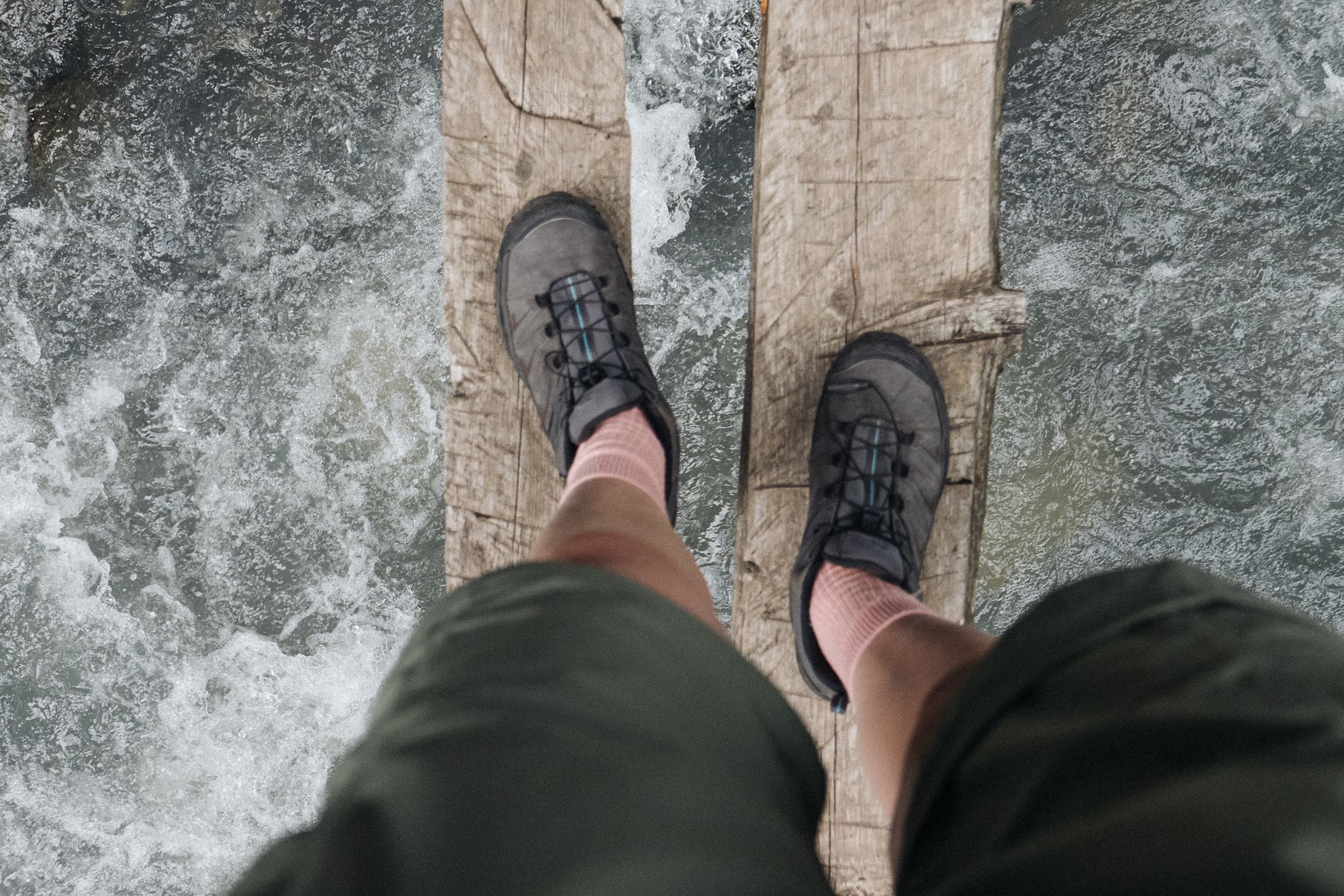
- River Crossing Caution: Unbridged side creeks can swell from ankle-deep trickles to raging torrents in two hours of heavy rain. Never cross swollen brown water; wait out the flood surge on high ground.
Hut Etiquette & Leave No Trace
DOC backcountry huts are communal sanctuaries governed by unspoken norms: removing muddy boots at the outer porch, keeping noise levels low after 9:00 PM, and packing out all rubbish—including food scraps, tea bags, and packaging. No waste disposal bins exist in national parks.
Need Backcountry Advice?
We help match your fitness and equipment with safe, stunning alternatives if popular huts are sold out.
Inquire About Trek Support